
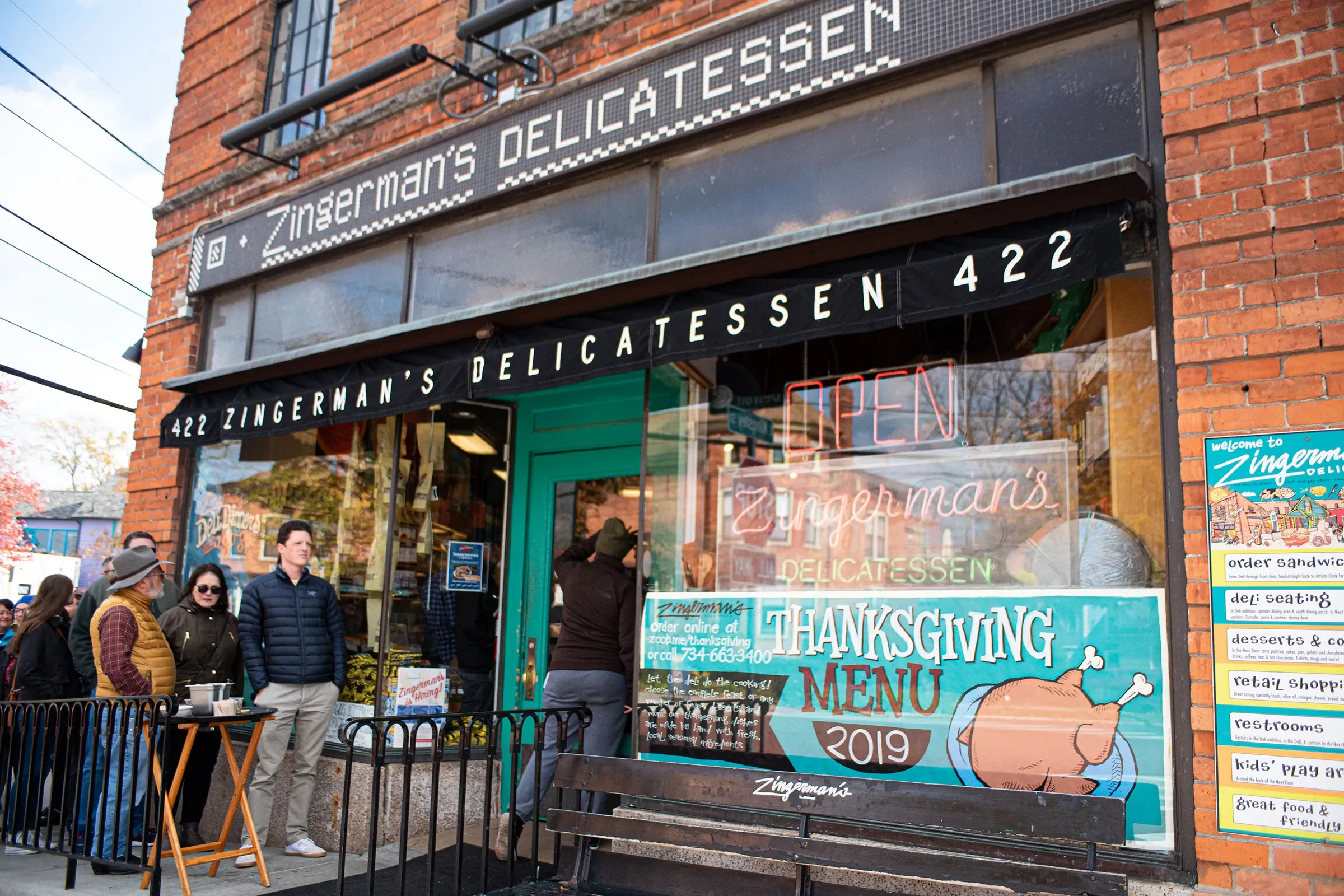

client: Zingerman’s community of businesses
Our Services
Tailored ownership solutions built around your unique goals.
Depending on where you are on your journey, we can support you with:
-

Alternative Ownership Education and Discovery
We guide you through the landscape of options -- from purpose trusts and employee trusts to ESOPs to home-grown employee-led buyouts -- so that you can hone in the right fit for you and your company
-

Transition Evaluation and Feasibility
-

Comparing and Contrasting Alternatives
Trying to decide which path to take? We love to help compare and contrast different alternatives (both qualitative and quantitative), so you can make an informed decision based on your specific goals and circumstances.
-

-

Financing Design and Execution
We will help you develop a financing plan for your transaction that is good for the company, the exiting owners, and other key stakeholders (i.e. employees).
-

-

-

Wrap Around Services
An ownership transition is never just an ownership transition. It often coincides with a number of other transitions or initiatives such as leadership succession, strategic planning, fundraising, or profit sharing program design. We can support you on key wrap around services to ensure your transition is a holistic success.
6 most common alternative ownership structures

-

Perpetual Purpose Trusts
A special type of trust designed to last forever owns your company permanently. This allows the business to operate in service of its defined purpose rather than maximizing returns to shareholders. This structure ensures mission continuity across generations of leadership.
-

Employee Centered Trusts (Also known as "Employee Ownership Trusts" or "EOTs")
A purpose trust owns the company and operates it with an eye toward ensuring employees share in the company's success. Employees may receive economic benefits but don't own shares directly. This structure provides workforce-centered stewardship without the complexity of direct employee ownership.
-

Direct Employee Ownership
Employees own shares directly and (often but not always) participate in both governance and economic returns. This creates alignment between workers and company success but requires more sophisticated administration than trust-based models. Works best when you want employees to have real decision-making power, and when employees are willing to bear the risk/burden of direct ownership. This is a common approach in professional services companies like law offices and architecture firms.
-

Worker Cooperatives
Workers own and democratically control the business through one-member, one-vote governance. Each worker-owner has equal say regardless of capital contribution or tenure. This structure prioritizes democratic decision-making over traditional management hierarchy.
-

ESOPs
An Employee Stock Ownership Plan allows employees to own shares through a tax-advantaged retirement benefit structure. The ESOP trust buys shares from existing owners, often with significant tax benefits. This is the most common form of employee ownership in the US but comes with regulatory complexity. Beyond their primary objective of enhancing employee wealth building, ESOPs are arguably "purpose agnostic.”
-

Hybrid Structures
Some missions require combining ownership models, like pairing a 501(c)(4) social welfare organization with trust ownership of an operating company. These structures let you optimize for both mission impact and operational sustainability. They're more complex but can solve problems that single structures can't.

Given this range of structures — choosing the right path requires careful analysis upfront.
That's why we recommend that most owners begin with a design and feasibility process: So you can clarify your goals, evaluate which structures align with your values and circumstances, and stress-test viability before you commit to a specific path. The right structure depends on your company's unique situation.